Caspian Sea
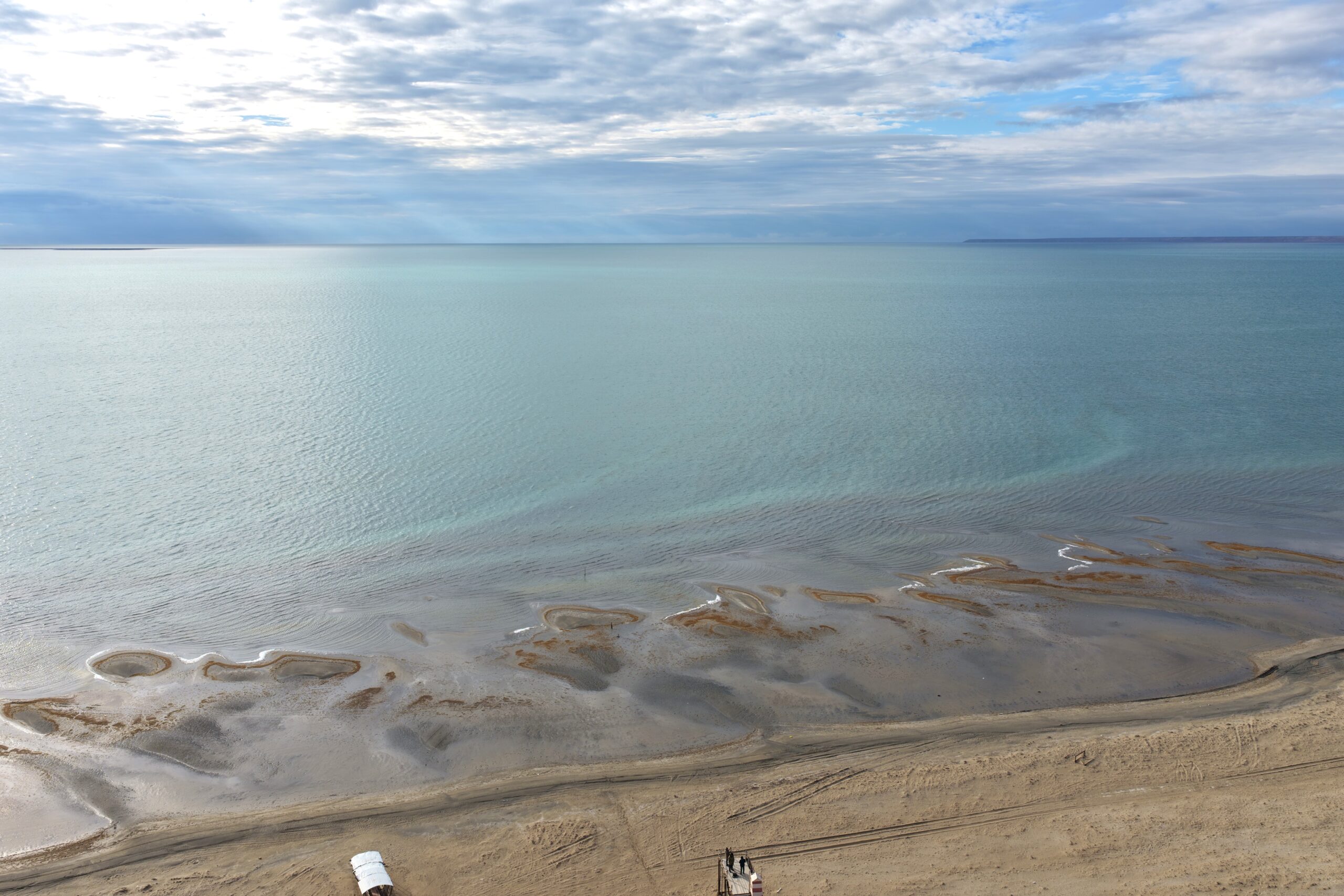
The Caspian Sea is a unique natural water body and the world's largest enclosed inland body of water, with no natural connection to the World Ocean. Due to its vast size, it is regarded both as a sea and as the largest saline lake on Earth. Its surface area is approximately 371,000 km², although this varies in response to fluctuations in water level.
Geographical Location and Physical Characteristics
The Caspian Sea is located at the crossroads of Europe and Asia and is bordered by five littoral states: Azerbaijan, Iran, Kazakhstan, Russia, and Turkmenistan.
From a physical and geographical perspective, the Caspian Sea is divided into three distinct basins, which differ significantly in depth and water volume:
- Northern Caspian: The shallowest part of the sea, with an average depth of approximately 5–6 metres, accounting for less than 1% of its total water volume.
- Middle Caspian: The central basin, reaching a maximum depth of 788 metres.
- Southern Caspian: The deepest basin, with a maximum depth of approximately 1,025 metres.
Hydrology and Water Balance
The hydrological regime of the Caspian Sea is determined by the interaction of river inflow, atmospheric precipitation, and evaporation from the water surface.
Approximately 130 rivers discharge into the Caspian Sea. The Volga River is the principal source of freshwater inflow, contributing approximately 80% of the total river discharge. The Ural River also plays an important role in the sea's water balance.
The Caspian Sea lies approximately 28–29 metres below the level of the World Ocean, with its water level continuously fluctuating in response to natural and climatic factors.
The average salinity of the Caspian Sea ranges from approximately 12.6 to 13.5‰, nearly three times lower than the average salinity of ocean water.
Salinity varies considerably across the basin, from relatively fresh waters near river mouths in the northern part of the sea to highly saline conditions in the Kara-Bogaz-Gol Bay.
Biodiversity
The Caspian Sea's prolonged geographical isolation has contributed to the development of a distinctive ecosystem characterized by a high degree of endemism, with species that occur naturally nowhere else in the world.
The Caspian Sea is of exceptional ecological importance due to its biodiversity and its role as a habitat for rare and threatened species.
- Sturgeon Species: Historically, the Caspian Sea has been one of the world's most important natural habitats for sturgeon. It supports valuable species such as beluga sturgeon, Russian sturgeon, and stellate sturgeon.
- Caspian Seal (Pusa caspica): The only marine mammal inhabiting the Caspian Sea and an endemic species. It is classified as Endangered on the International Union for Conservation of Nature (IUCN) Red List of Threatened Species.
- Migratory Birds: The Caspian coastline forms a vital part of international bird migration routes connecting Europe, Asia, and Africa.
To protect the region's natural ecosystems, a network of protected areas has been established across the Caspian littoral states. These include the Astrakhan and Dagestan Nature Reserves in Russia, the Akzhayik State Nature Reserve in Kazakhstan, the Gizilaghaj National Park in Azerbaijan, and other protected areas.
Current Environmental Challenges
Today, the Caspian Sea ecosystem faces several significant environmental challenges.
- Declining Sea Level
A persistent decline in the Caspian Sea level has been observed over recent decades. Scientific studies indicate that this process has accelerated in recent years.
The main contributing factors include increased evaporation associated with climate change, changes in precipitation patterns, and variations in river runoff.
Declining sea levels lead to shoreline retreat, the drying of shallow-water areas, changes in natural habitats, and increased vulnerability of coastal ecosystems.
- Anthropogenic Impacts
Oil and gas development, industrial and agricultural activities, and pollutants transported by rivers affect the environmental condition of the Caspian Sea.
The introduction and accumulation of petroleum hydrocarbons and heavy metals in the water column and bottom sediments pose risks to marine organisms and ecosystem health.
- Invasive Species
The introduction and spread of non-native organisms can disrupt the ecological balance of the Caspian Sea.
In particular, the invasive comb jelly Mnemiopsis leidyi can alter food-web dynamics and contribute to declining biological productivity.
Preserving the unique ecosystem of the Caspian Sea requires the advancement of scientific research, comprehensive environmental monitoring, and stronger international cooperation among the Caspian littoral states.